Gilroy / Services / Shed Demolition
Junk Gone Hauling & Junk Removal Services
Gilroy, CA · Santa Clara CountyShed Demolition & Removal in Gilroy, CA
Starting at $99.99
Curbside or 1/4-load pickups. Limits may apply. Prices are subject to change. Offer ends January 15, 2027.
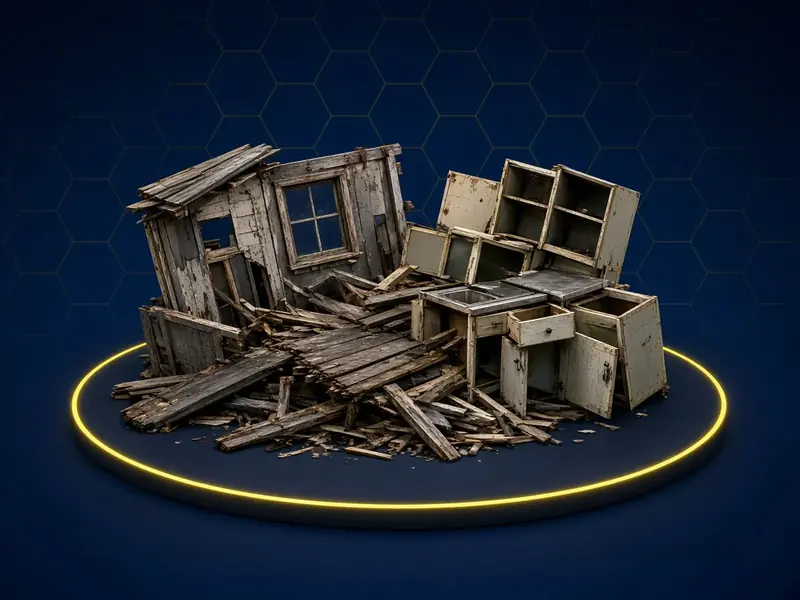
What we take: Shed Demolition
Sheds are built from many materials and filled with whatever the last owner left behind. This is what the crew carries off.
- Wood-frame sheds, small and large
- Metal and corrugated sheds
- Plastic and resin storage sheds
- Roofing, siding, and plywood panels
- Doors, windows, and trim
- Wood floors and floor joists
- Everything stored inside, from tools to boxes
- Old workbenches and wall shelving
- Rusted wheelbarrows, hoses, and garden gear
- Fence pieces and lumber piles stacked beside it
- Broken-down playsets next to the shed
- Overgrown brush that has grown into the structure
What a shed teardown involves
A shed seems simple until you try to take one apart. Nails are driven deep, rafters are tied to walls, and the floor may be bolted to a slab or sitting on rotted skids. Add a roof that is one storm away from collapsing, and the job gets more careful.
Our crew works from the inside out. First we empty the shed, then strip the roof, then the walls, and last the floor. Wood is cut into lengths that fit the truck. Metal sheds come apart at the panel seams. Plastic ones can often be unscrewed and stacked.
When it is done, the footprint is clear of debris and nails, ready for a new structure, a garden bed, or a patch of lawn.
Sheds you find around Gilroy
Not every shed is a standard backyard model. What we see depends on the property.
- Downtown and the Monterey Street corridor: older lots tend to have a wood shed tucked behind a detached garage, sometimes leaning, sometimes sharing a wall with a fence. Access can be a side yard or an alley.
- Eagle Ridge and Glen Loma Ranch: newer yards usually carry a resin or metal shed from a big-box store, put up by a previous owner. Those come apart easily, and the HOA may care about the look of the yard once it is gone.
- The Hecker Pass side and rural parcels near San Martin: storage sheds, tack rooms, and equipment lean-tos at the end of long gravel drives. They often hold decades of ranch hardware.
We look at where the shed sits and how the truck can approach, since that sets the time on site.
What we do not take
Older sheds can hide materials that need specialists, and the shelves are often loaded with chemicals.
- Paint, stains, and solvent cans on the shelves
- Pesticides, weed killers, and fertilizers
- Fuel, oil, and propane
- Batteries and old pool chemicals
- Suspected asbestos siding or roofing
- Active wasp or rodent infestations, which need pest control first
Checks to make before the crew arrives
A short list will save your day.
- Confirm who owns it. If the shed sits near a property line, make sure it is yours and the neighbor agrees.
- Ask about permits. Some jurisdictions require a permit for larger structures, and rules differ inside the city and out on county land. We do not set those rules. Call the City of Gilroy or the county building department to ask, and keep the answer for your records.
- Look for utilities. If the shed has power or a water line, have it shut off and capped by a professional.
- Check for hazardous items. Walk through and pull out paint, fuel, and chemicals. We cannot take them.
- Clear the approach. Move vehicles, tools, and patio furniture away from the path.
If you are not sure about any of these, call (408) 310-0246 and we will talk it over.
Old sheds and the things that hide in them
A shed built decades ago deserves a careful look. Roofing and siding from certain eras can contain asbestos, and we will not demolish material we suspect of containing it. If the shed has corrugated panels or shingles that look suspect, have a qualified professional test a sample before anything is cut.
Inside, expect chemicals. Old cans of paint, weed killer, motor oil, and pool shock pile up in shed corners. Book a household hazardous waste slot with the county instead, either by phone at the county HHW number listed on our dump guide or through the county HHW site. Paint can also go to a site on the PaintCare locator.
Then there are the living things. Wasp nests, rodent colonies, and snake dens are common in sheds that have sat untouched. Tell us if you see signs. A pest company should clear the structure first, for everyone's safety.
Metal, wood, and where the pieces end up
A metal shed is a good candidate for scrap. If you would rather deal with the metal yourself, Pacific Coast Recycling has a scrap yard on Obata Court, right here in Gilroy. It closes on Sundays, so plan a weekday or Saturday run. The yard's own site lists the hours. Their phone is the Pacific Coast Recycling number listed on our dump guide, and it is worth asking what they will take before you load a trailer, since we cannot speak for their rules.
Wood is more complicated. Untreated, unpainted lumber is treated differently from painted or pressure-treated boards, and the facility you use will ask. Clean wood can sometimes be set aside from the rest. Painted or rotted wood goes to a general transfer facility.
When the crew loads, we separate metal when it is easy to pull out, and take the rest as one mixed load.
Taking the pieces to the dump yourself
If you tear the shed down on your own, you still need somewhere to put it. The usual self-haul stop is the Llagas Avenue station, just over in San Martin, and it only opens its gate to the public Tuesday through Saturday. Demolition scrap is taken for a fee, but the operator excludes dirt, rock, concrete, and brick, and wants only untreated, unpainted wood (source: station page, as of the November 16, 2026 check). Treated lumber is turned away. Confirm what applies to your pile by contacting the station (details are on the City of Gilroy garbage and recycling page).
A shed produces a lot of volume for its weight. A single sheet-metal shed might fill a pickup three or four times. The Gilroy dump guide lists all the nearby facilities side by side.
How the crew takes a shed apart safely
Demolition looks rough from the outside, but the order of work is deliberate. We start by checking the roof from the ground and, if it is sound, from a ladder. A weak roof comes off first and in small sections, so nothing drops on someone inside.
Fasteners come next. Screws are backed out when they can be, and nails are pried or cut. Walls are braced before the last connection is released, so a panel does not fall sideways. Floors are last, and we look under them for wasps, rodents, and old wiring before lifting.
Everyone wears gloves, eye protection, and sturdy boots. You and your pets stay clear of the work zone. If a neighbor shares the fence line, a short warning about noise is a courtesy that keeps the day pleasant.
What to do with the empty spot
Once a shed is gone, you are left with a rectangle of flattened grass, gravel, or concrete. Plan what comes next before we arrive, because it changes how clean the footprint should be.
If a new shed is going in, a level gravel pad or a few pavers is common. If you want the space back as lawn or garden, leave the ground bare and rake it. Old skids and pier blocks can stay or go; just tell us. For vegetable beds or an orchard row, check the soil for rusted nails and fasteners that may have worked into it.
We sweep the area with a magnet and rake, but a final walk with your own eyes is always smart.
Demolish it yourself or hire the crew
A small plastic shed is a one-afternoon project. A big wooden one is not. The risks add up: falling roofing, nail punctures, and the sheer weight of the floor and walls.
It makes sense to call us when:
- The shed is bigger than about a one-car footprint, or it is two stories.
- The roof is sagging or the frame is rotting.
- You do not own the tools or a trailer.
- There is a pile of contents that also has to go.
For smaller jobs inside a structure, such as removing interior walls or cabinets, see our light demolition page. For the contents alone, our junk removal service handles it.
What goes into the shed quote
A flat price would not be honest. Shed jobs vary too much.
- Size and height: a small lean-to and a two-story barn-style shed are not close.
- Material: metal peels apart, wood needs cutting, concrete floors need a different plan.
- Contents: an empty shed is easier than one full of ranch equipment.
- Access: gates, slopes, and distance to the truck.
- Foundation: skids, pier blocks, or a poured slab.
Send photos using our booking page and we will produce a written quote. The pricing page has more on our approach. If you hear something that does not match what you see on site, we will say so before work starts.
Ranch outbuildings
On rural parcels, a shed rarely stands alone. A tack room may sit beside a hay barn, a chicken coop, and a heap of old fence posts. We can take them down in one visit, and the haul-away can include the scrap metal and lumber that built up around them.
Gravel and dirt access, livestock gates, and soft ground are things we ask about up front. The ranch and farm cleanouts page goes further into that kind of property. If a building holds animals or feed, please clear it out ahead of time, or let us know what we will find.
How shed demolition works
- Send photos of the shed from a few angles, plus the access path, or call (408) 310-0246.
- We give you a written estimate for the teardown and haul-away. No obligation.
- The crew empties the shed, takes it down piece by piece, and loads the debris.
- We clear nails and leftover scraps from the footprint and haul everything off.
A nearby South County job
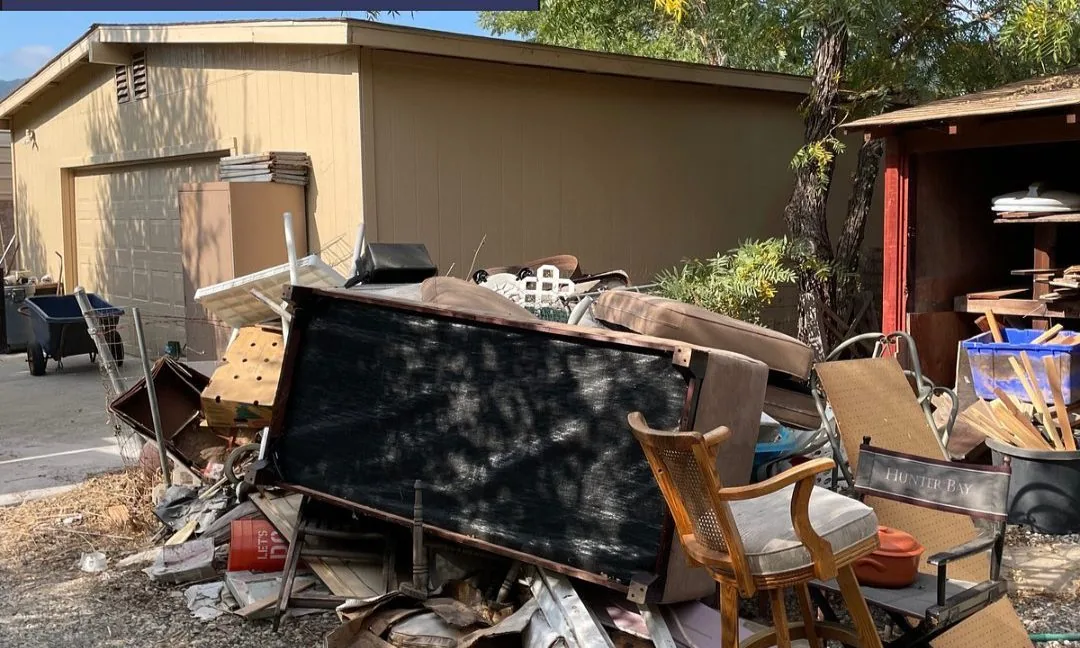
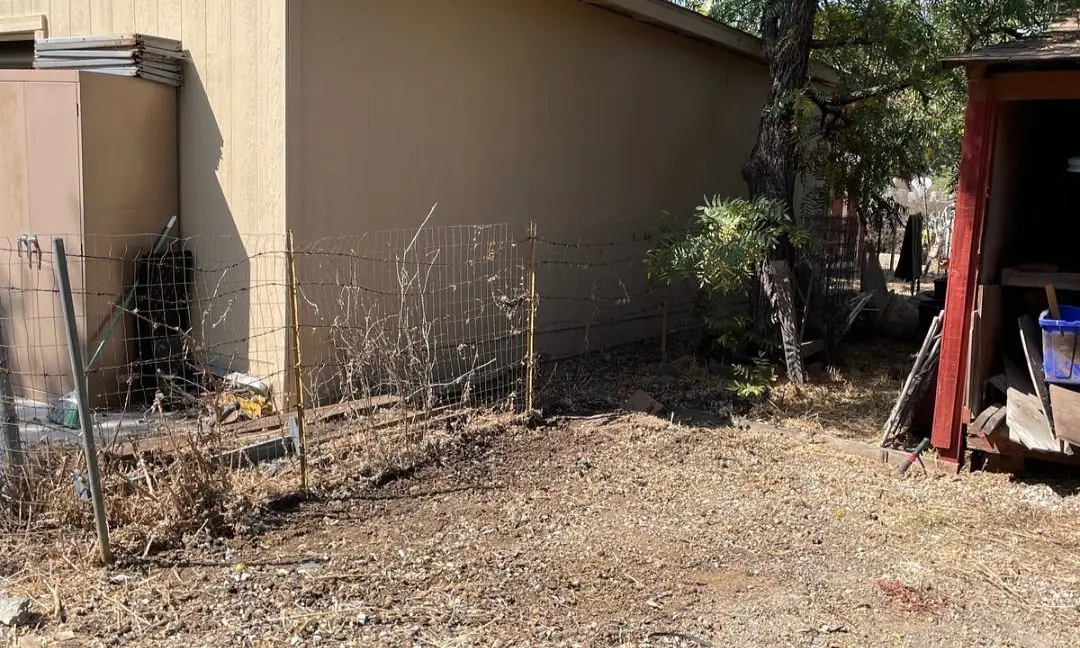
Photo from a nearby South County job on the main Junk Gone site, not a Gilroy address.
Where in Gilroy we do this
- All of 95020
- Downtown / Monterey Street
- Eagle Ridge
- Glen Loma Ranch
- Hecker Pass side
- Rural parcels & county line
- San Martin
Nearby towns have their own Junk Gone pages. See the service area page for the closest site, or text an address to (408) 310-0246 to confirm range.
A recent job
Shed Demolition in Gilroy: common questions
Do you take down sheds with a concrete slab?
We can take the shed off the slab, and the slab stays unless we agree otherwise in advance. Breaking up concrete is a separate and heavier job, and some facilities will not take concrete in a general load. Say so in your photos, and the quote will match what you actually want cleared.
What if the shed is full of stuff?
That is common. We empty it first and haul the contents with the structure. If you want to keep some items, mark them or move them before we start. Anything hazardous, like paint, fuel, or chemicals, must be set aside by you, since we cannot take those. We will point out what we see.
Is a permit needed to remove a shed?
The answer turns on the structure's size and the lot. That decision is not ours. Call the City of Gilroy or the county building department and ask about your address and the structure's size. Having the answer in writing is a good idea, especially before a sale or an inspection.
Can you remove a shed that might have asbestos?
Not until it has been tested. Older siding, roofing, and some floor tiles can contain asbestos, and breaking them releases fibers. If you suspect it, hire a qualified professional to sample the material. If it comes back positive, abatement is a specialty job. We will not cut into material that is suspected of containing it.
Do you haul metal sheds for scrap?
We take them down and haul them, and where practical we keep the metal separate. If you want to bring metal to a yard yourself, Pacific Coast Recycling has a scrap yard on Obata Court in Gilroy. Call the Pacific Coast Recycling number listed on our dump guide to ask what they accept before going. We do not promise anything about payouts.
How long does a shed demolition take?
A small resin or metal shed can come down in a short visit. A larger wood shed with a roof, a floor, and a full load of contents takes longer. We cannot give a fixed time without seeing it. Photos of the structure and what is inside it let us estimate the work and give you a realistic window when you book.
Ready when you are, Gilroy.
Send a photo for a written quote. Nothing is booked until you say yes.
$25 off when you book online or mention the website.