Gilroy / Services / Commercial Junk Removal
Junk Gone Hauling & Junk Removal Services
Gilroy, CA · Santa Clara CountyCommercial & Office Junk Removal in Gilroy, CA
Starting at $99.99
Curbside or 1/4-load pickups. Limits may apply. Prices are subject to change. Offer ends January 15, 2027.
What we take: Commercial Junk Removal
Business cleanouts are mostly bulky and mostly boring, and that is why they pile up. Typical loads include:
- Desks, credenza units and conference tables
- Office chairs and reception seating
- Cubicle panels and partition walls
- Filing cabinets and storage cabinets
- Retail shelving, racks and gondolas
- Display cases, counters and checkout stands
- Break-room tables, refrigerators and microwaves
- Old computers, monitors, printers and copiers
- Boxes of paper files and old records
- Leftover stock and unsellable inventory
- Shop benches, tool chests and metal storage
- Signage, light fixtures and mounted displays
- Pallets and warehouse racking pieces
- Carpet tiles and removed flooring from a tenant improvement
Who calls for a business cleanout
The caller is rarely a large company with a facilities department. More often it is a small owner with a deadline. A landlord has a suite that must be broom-clean before a new tenant moves in. A shop owner is closing or moving. An office is replacing every desk at once and the old ones are in the hallway.
Property managers also call when a former tenant left furniture, fixtures and files behind. In that case the question of who owns the items comes first, and we ask you to confirm you have the right to remove them before we start.
Loading out of Gilroy buildings
Commercial space in Gilroy comes in a few shapes, and each one loads differently. Storefronts and offices along Monterey Street and in Downtown often have front entrances on the sidewalk and back doors off an alley or a shared lot. Loading from the back is easier, but only if the door is wide enough and nobody is parked in front of it.
Suites in larger multi-tenant buildings may require a time window, a freight elevator or building management approval. Tell us who to call.
Shops and small warehouses closer to the industrial side of town usually have roll-up doors and ramps, which make heavy items short. The things that slow us down are narrow hallways, stairs and long carries from the back room to the truck.
A photo of the door, the hallway and the parking area is worth more than any description.
What we do not take
Commercial spaces often hide chemicals in back rooms and utility closets. These are not part of a junk load.
- Solvents, cleaning chemicals and paint
- Pesticides and pool chemicals
- Fuel, oil and propane tanks
- Batteries and lighting tubes
- Medical waste, sharps and biohazards
- Asbestos or suspected asbestos materials
- Items that are still under lease or owned by someone else
Working around your business
Some businesses want the work done before opening, some after closing, and some on a day when the space is already dark. Tell us what you need, and we will say whether we can meet it. We do not promise specific arrival windows, but we will confirm a day in writing and be clear about timing.
If the space is still in use, we can clear it room by room and leave the working area untouched. A reception desk and a shelf of binders can stay while the back office and supply closet go.
When customers or staff will be around, we carry through the quietest route, block off the path and keep tools and pieces out of walkways.
Computers, copiers and business electronics
Old computers and servers raise a question that furniture does not: what is on them? We do not wipe drives or certify data destruction. If the hard drives hold customer, employee or financial records, remove or destroy them first, or use a service that provides documentation.
Copiers and large printers weigh a lot and tip easily, so we move them on dollies with straps. Toner cartridges and lighting tubes need separate care. Tell us about them in your first message.
Our e-waste page explains how we deal with electronics generally.
Paper files and old records
Office closures nearly always turn up boxes of paper. Before they leave, someone should decide whether any of it has to be kept. Tax, payroll and contract records may carry retention rules, and your accountant or attorney knows them better than we do.
We can haul boxes as they are. If the papers are sensitive, a shredding service is a better route, and we can load the boxes onto their truck or take the leftovers after.
Prep before the crew arrives
A business cleanout runs smoothest with a short checklist and one person making decisions.
- Name one contact who can say what stays and what leaves.
- Tag items that belong to the landlord, a lender or a leasing company so they do not get loaded.
- Pull personal belongings, valuables and anything confidential from desks and drawers.
- Unplug and empty fridges, and drain any equipment with liquids in it.
- Reserve the loading area, the elevator or the back door for our arrival.
If the space has an alarm, make sure someone can disarm it and lock up after.
Where commercial loads end up
Metal shelving and steel cabinets can be separated for scrap, and good furniture may find a second life. We make no claims about recycling rates or promise donation. The rest is taken to an appropriate disposal site.
If you would rather run some of it yourself, the Gilroy dump guide explains the options. Pacific Coast Recycling has a transfer station at 5895 Obata Way, open Monday to Friday 7 a.m. to 5 p.m. and Saturday 8 a.m. to 5 p.m., and a metal yard at 340 Obata Court. Their main number is the Pacific Coast Recycling number listed on our dump guide. the San Martin Transfer Station, Tuesday through Saturday 8 to 4, lists C&D debris and furniture as fee items; call ahead (contact details are on the City of Gilroy garbage and recycling page) about charges (source: station listing, checked November 16, 2026). Fees vary, so ask before you load.
What shapes a commercial quote
Commercial jobs are quoted from photos, or from a short walk-through for a larger space. The factors are straightforward:
- Volume of furniture, fixtures and equipment
- Weight, as with filing cabinets, safes and shop machinery
- Stairs, elevators and distance to the truck
- Any disassembly, such as cubicle walls bolted to the floor
- The time window you need the work finished in
There is no flat rate that fits an office and a retail shop alike. See the pricing page for how estimates work, or send us pictures.
Closing or refitting a storefront
Retail closures leave a particular kind of mess. Slat walls, glass shelves, mannequins, back-of-house racking and a stockroom full of things that never sold. Everything is bulky, and much of it is awkward to carry through a narrow front door.
Fixture removal can run long, because items are often screwed to the walls or floor. If a fitout is being reversed, count on additional crew time for the unscrewing. If the landlord expects the walls patched, that is a separate trade.
Leftover stock can go to donation if it is clean and usable. Call a thrift store first, such as the Goodwill on First Street, since each store chooses what to accept. The donation guide lists the Gilroy options.
What to put in your photos
Photos are how we quote, so a few good ones save a visit. Stand in the doorway and capture the whole room, then take close shots of the heaviest items. Include the door you would use to load out, the hallway between, and the spot where a truck can park.
For multi-room spaces, number the photos or name the rooms in your message. A line like "back office, six file cabinets, two desks" gives us the count.
Managers who oversee several units can send one batch of photos per unit. We can often schedule them in sequence so the crew moves from one to the next with no gaps.
Office refreshes and mid-move cleanouts
Not every job is a closure. Companies that keep their space but replace furniture, or that move across town, end up with a mountain of old desks and a deadline for the lease. We work well as the final step: your movers take what is going, and we take what is not.
That sequence matters. If you can tell the movers to finish first, the crew can come in afterwards and see exactly what is left. Doing it the other way around risks hauling things people meant to keep.
Consider keeping one or two chairs and a table at the end for any final walk-through with the landlord.
When to hire us and when to handle it in-house
If you have two desks and a truck in the parking lot, handle it. A small business with a helper and a weekend can move a surprising amount.
Call a crew when the items are heavy, there are stairs, the landlord wants the suite empty by a date, or your own staff should be doing the job they are paid to do. Residential-style jobs, such as a home office, are covered under general junk removal. If the space needs partial demolition, light demolition is the right page.
How commercial junk removal works
- Text photos of the space, the doors and the items to (408) 310-0246, and include your deadline.
- Look over the written quote. For larger spaces we may suggest a short walk-through first.
- Confirm the day, the contact person and where the crew can load.
- On the day, the crew clears the space, loads the truck and sweeps up.
A nearby South County job
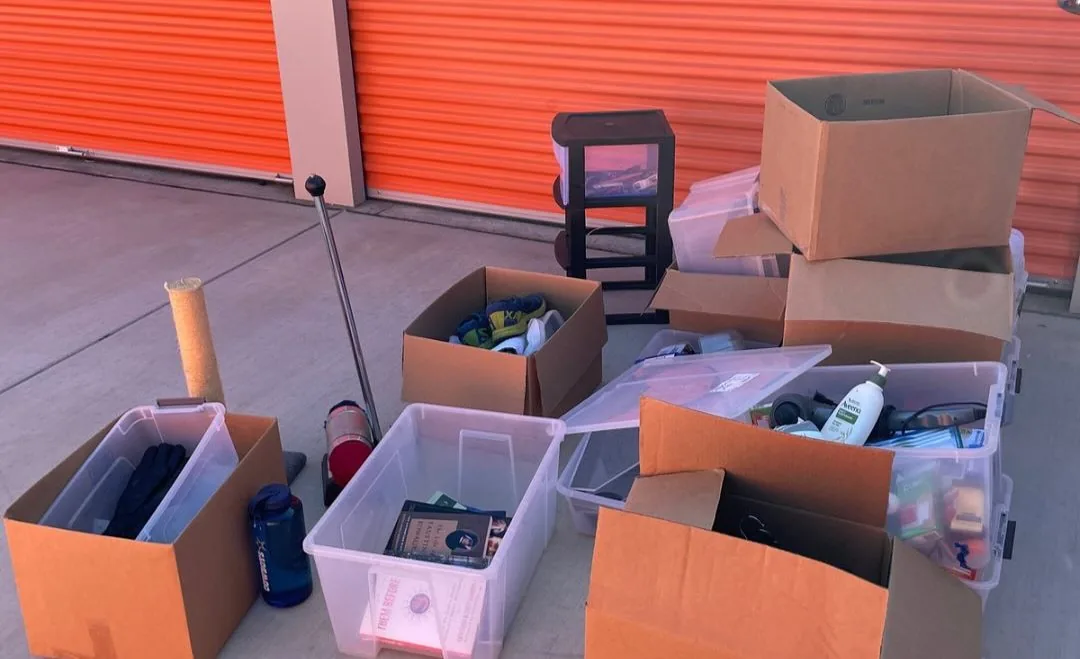
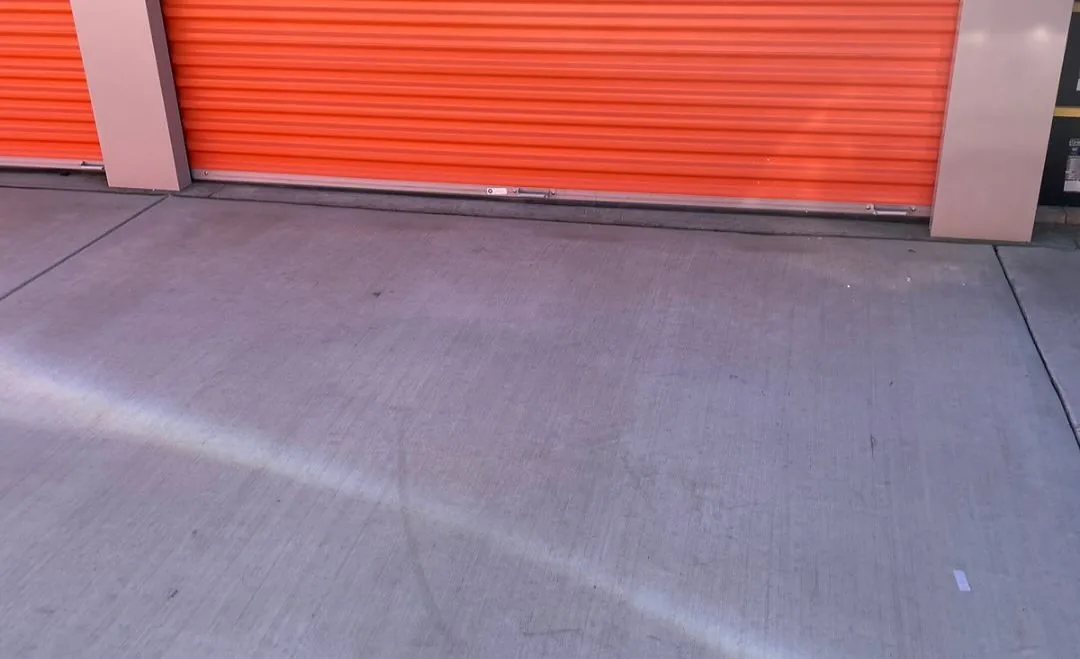
Photo from a nearby South County job on the main Junk Gone site, not a Gilroy address.
Where in Gilroy we do this
- All of 95020
- Downtown / Monterey Street
- Eagle Ridge
- Glen Loma Ranch
- Hecker Pass side
- Rural parcels & county line
- San Martin
Nearby towns have their own Junk Gone pages. See the service area page for the closest site, or text an address to (408) 310-0246 to confirm range.
A recent job
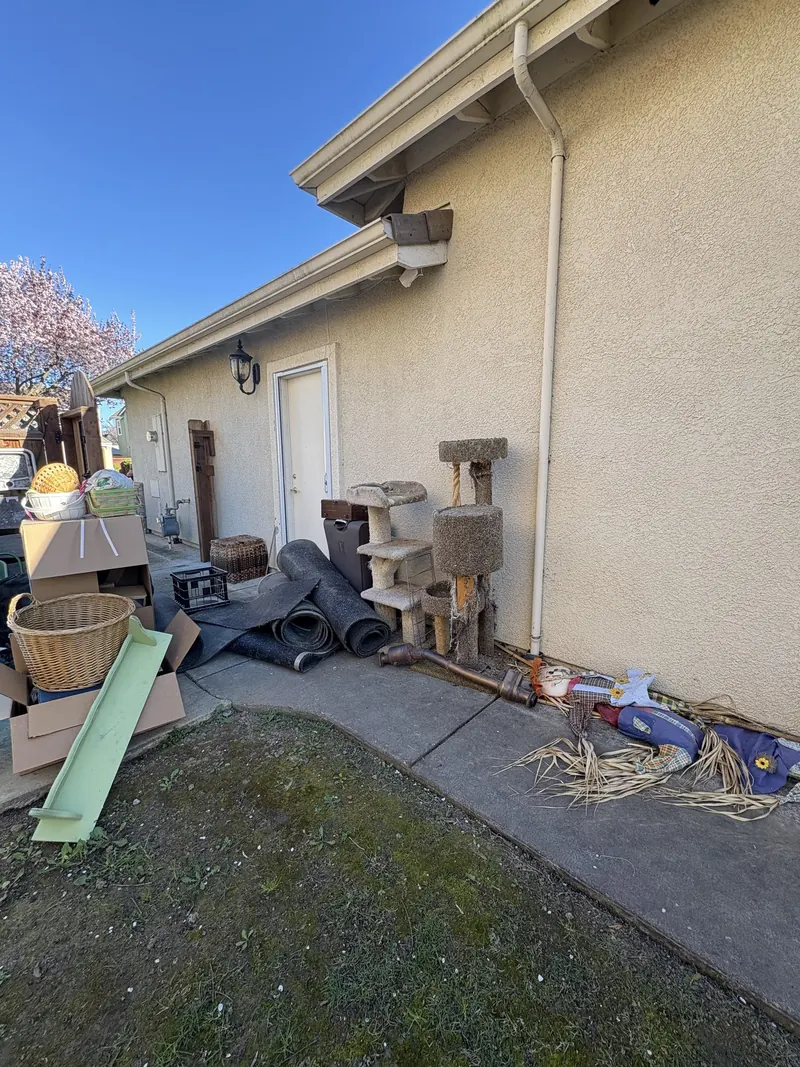 BEFORE
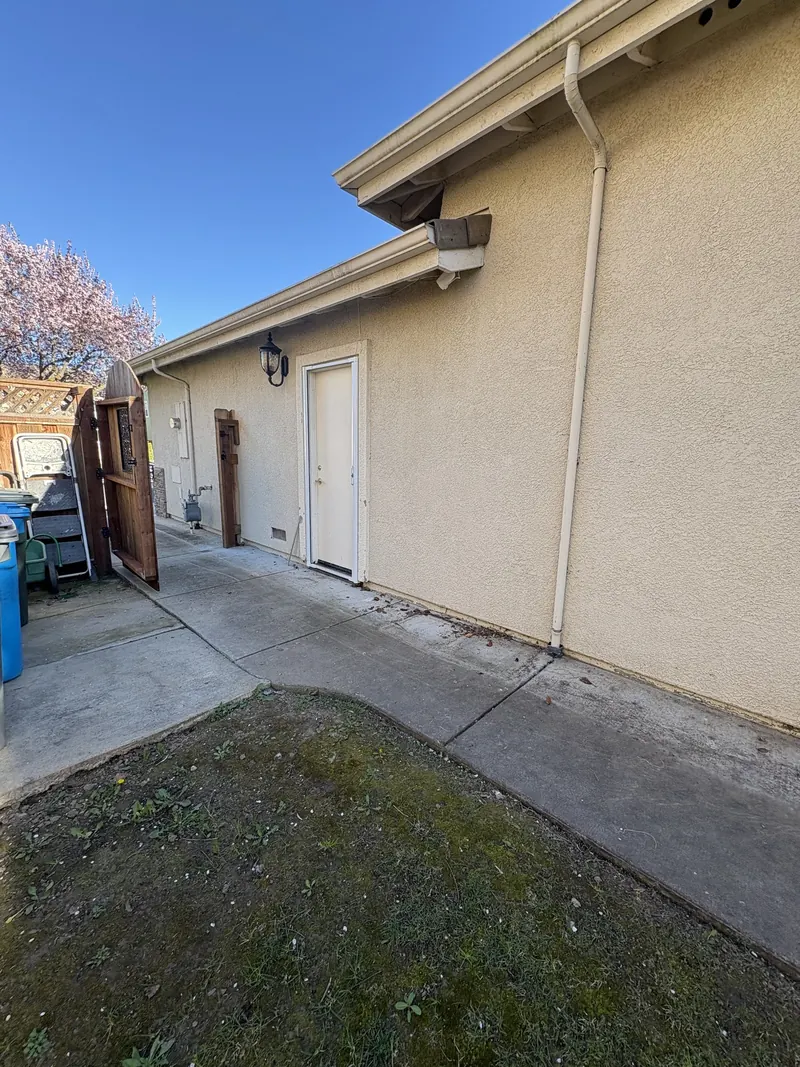 AFTER
Commercial Junk Removal in Gilroy: common questions
Can you clear a suite after a tenant has left?
Yes, as long as you have the right to remove what is inside. Landlords and property managers send us photos of leftover furniture, files and fixtures, and we quote from those. Please confirm ownership and any notice requirements before booking, so nothing gets hauled that someone could later claim.
Will you work outside regular business hours?
Often, yes. Tell us which hours suit your space, such as early morning or after you close, and we will say whether it fits our schedule. The day is confirmed in writing and timing stays clear, though we do not promise fixed arrival windows or timed service.
What about old computers with company data on them?
We haul the equipment, but we do not erase drives or certify data destruction. If they hold customer, patient or employee records, pull the drives or use a data-destruction service before pickup. After that, the machines are just another item on the load.
Do you take shelving and displays that are bolted down?
Usually, though removal takes more time. Racks, gondolas and cubicle panels are often anchored, and the crew can unbolt them with hand tools. Mention the type and how they are fastened in your photos so the quote matches the actual work on site.
Can you take chemicals from a shop or storage room?
No. Solvents, cleaning supplies, paint, pesticides, fuel and similar materials are hazardous waste. Santa Clara County runs the hazardous waste program, so call the county HHW number listed on our dump guide and ask what applies to a business like yours. We will clear the rest of the space and leave those containers for you to sort out properly.
Do you offer a walk-through for larger spaces?
For a larger suite or a full retail unit, a short walk-through can produce a more accurate quote than photos. Say so when you contact us. Otherwise we work from photos and a few questions about access, stairs and the time window you have.
Ready when you are, Gilroy.
Send a photo for a written quote. Nothing is booked until you say yes.
$25 off when you book online or mention the website.