Gilroy / Services / Light Demolition
Junk Gone Hauling & Junk Removal Services
Gilroy, CA · Santa Clara CountyLight Demolition in Gilroy, CA
Starting at $99.99
Curbside or 1/4-load pickups. Limits may apply. Prices are subject to change. Offer ends January 15, 2027.
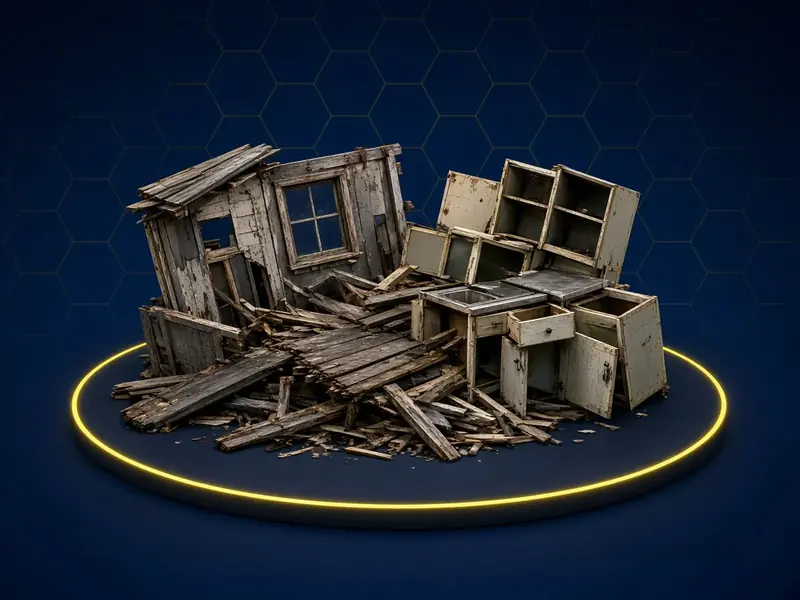
What we take: Light Demolition
This is non-structural, hand-tool work. Here is what typically comes out and goes on the truck.
- Wood decks and deck stairs
- Wood and chain-link fences
- Pergolas, arbors, and trellises
- Kitchen and bathroom cabinets
- Countertops, laminate and tile
- Non-load-bearing interior partition walls
- Drywall and plaster sections
- Old flooring, including tile and laminate
- Closet built-ins and shelving
- Brick and paver patios that can be lifted
- Playsets and swing frames
- Old doors, windows, and trim
- Sheds and lean-tos, in small sizes
Where light demolition ends and a contractor begins
The phrase means different things to different people, so let us be exact. Light demolition is the removal of things that are not holding up the building: a fence, a deck, a partition wall, cabinets, flooring. We use hand tools, pry bars, and reciprocating saws. No excavators and no jackhammers.
A wall that supports a roof or a second floor is not light demolition. Neither is anything with live wiring, plumbing, or gas behind it. If you are not sure which side of the line your project falls on, send photos or ask a contractor or the city building department. We will tell you honestly if a job looks beyond what we do.
The value we add is the tear-out and the haul-away together. You do not have to rent a dumpster or make six dump runs.
Light demo jobs in different parts of Gilroy
Projects vary with the age of the home and the lot.
- Downtown and the Monterey Street corridor: older houses get kitchen and bath gut-outs, old wood porches, and worn picket or board fencing. Access can mean carrying debris through a narrow side yard.
- Eagle Ridge and Glen Loma Ranch: newer homes lead to patio changes, deck replacements, and built-in cabinets removed for a refresh. HOA rules on staging and noise are worth a read before we start.
- The Hecker Pass side and country parcels: long runs of ranch fence, old gates, lean-to roofs, and corrals. The ground is often uneven and the drive is gravel.
Anywhere in 95020, photos of the work area and the way to the truck make planning easier.
What we do not take
We keep light demo light. Some jobs belong with a qualified contractor or an abatement specialist.
- Load-bearing walls, beams, or structural framing
- Anything that needs a qualified contractor's permit work
- Suspected asbestos, such as old popcorn ceilings or vinyl tile
- Lead paint abatement
- Live electrical, plumbing, or gas lines
- Poured concrete slabs and heavy masonry walls
Decks and fences
Decks and fences are the two tear-outs we see most. Both look easy and both fight back.
A deck has long screws, joist hangers, and often a ledger bolted to the house. We take out the boards, the framing, and the stairs, and we leave the ledger alone unless you tell us otherwise and it is clear who is handling the wall behind it. Posts set in concrete can be cut at grade or pulled, and pulling is slower.
Fences are about length and posts. A short run of board fence goes easily. A long run of chain-link or old wooden panels with buried posts takes more time. If the fence is shared with a neighbor, talk to them before we start. A shared line is a conversation, not a surprise.
Tearing out cabinets, flooring, and small walls
Inside the house, we protect what stays. We lay down floor covering on the path, tape off doorways, and carry debris out in pieces so the walls do not get scraped.
Cabinets and countertops come off in sections. We expect to find water-stained plywood under old sinks, and sometimes surprises behind them. Flooring comes up with scrapers and pry bars, and we handle tile with care, because the dust is sharp. A partition wall is stripped of drywall first, then the studs are cut and removed.
If we open a wall and find something we should not touch, such as live wiring, a gas line, or material that looks like asbestos, we stop and tell you. That is better than pressing ahead.
What to do before the tear-out day
- Turn off utilities. Power, water, and gas lines in the work area must be switched off, with a qualified tradesperson capping anything left open.
- Empty the room. Move furniture and belongings away. If you need the room emptied, that is part of our junk removal service.
- Confirm permits. Whether a project needs one depends on scope and location, so check with the building staff for your parcel and write down what they say.
- Notify the neighbors and HOA. Noise and a truck on the street are easier to live with when people know.
- Tell us what stays. Mark any cabinet, post, or fixture you plan to keep or reuse.
If you are not sure about anything on the list, call us at (408) 310-0246 before the date is set.
Older homes and the materials inside them
A Gilroy house built before the 1980s may contain materials we treat with caution. Textured ceilings, vinyl floor tile and its adhesive, and some siding and roofing can contain asbestos. Paint on older trim can contain lead. We do not demolish material suspected of containing either. An authorized lab test is the right first step, and abatement is a specialist job.
Hazards can also be leftovers: paint cans in a cabinet under the sink, cleaners in a garage closet, or old pesticides in a utility room. Those belong with the county's hazardous waste program, which works by appointment at the county HHW number listed on our dump guide. For paint alone, check the PaintCare site locator.
Where the debris ends up
Demolition debris is heavy and mixed. Drywall, wood, tile, and metal usually go together to a transfer facility, with clean metal separated when easy. Wood that is clean and unpainted can be kept apart.
If you plan to haul it yourself, know the limits. the San Martin station accepts construction and demolition debris for a fee, but not dirt, rock, concrete, or brick, and only untreated, unpainted wood (source: station listing, checked November 16, 2026). Its public hours are Tuesday to Saturday, and contact details are on the City of Gilroy garbage and recycling page. Pacific Coast Recycling also operates a transfer station on Obata Way in Gilroy, with its own rules, at the Pacific Coast Recycling number listed on our dump guide.
Our Gilroy dump guide compares them, and our construction debris removal page covers larger renovation loads.
Dust, noise, and protecting the rest of the house
Tear-outs are messy by nature, but they do not have to spread. We tape plastic across doorways and vents, lay floor protection along the route, and keep the debris path as short as we can. Drywall and tile dust is fine and travels, so we bag it where possible and sweep as we go.
Noise comes mostly from saws and pry bars. We start at a reasonable hour and keep loud work to the part of the day when neighbors are least likely to mind. If you work from home, tell us, and we can sequence the loudest tasks around your calls.
Pets and kids should stay out of the work zone. Nails and sharp edges turn up everywhere during demolition, even after careful cleanup.
Things worth saving before they hit the truck
Not everything that comes out is garbage. Solid-wood doors, good cabinets, light fixtures, and sound lumber can often find a second home. A neighbor, a friend with a project, or a donation outlet may want them.
If you plan to reuse something, mark it before we begin and tell us how carefully to remove it. Careful removal takes longer than demolition, and the quote may reflect that. For donations, The Goodwill store and the Salvation Army thrift store are the two Gilroy donation spots we can point to, and the donation guide has details. Call before you load anything, since they decide what they will take.
Fence boards and deck lumber are usually too weathered for reuse, but clean framing lumber sometimes is not.
Timing the tear-out around other trades
If a contractor is coming for a remodel, the order matters. Demolition and haul-away usually come first, so the framers, plumbers, and electricians find a clear space. If a trade shows up before the debris is gone, everybody loses time.
Ask your contractor what they want left in place: a subfloor, a stud wall, a finished edge. Then give us the same instructions. We stick to what is in the quote and do not remove anything beyond it.
If your contractor already has a dumpster, we can still help with items that do not fit the bin or arrive on a different day. Talk through the plan on a call and we will fit around it.
When a weekend project turns into a crew job
A lot of homeowners start a tear-out themselves. It goes well for the first hour. Then the cabinet will not release, the nails are in an odd place, and there is a growing pile of debris in the yard.
That is a good time to call. We can take over mid-project, finish the demo, or simply haul the pile. If you only need the debris gone, say so and we will quote the haul.
Jobs best left to us: long fences, large decks, multiple rooms of cabinets and flooring, and any project with a tight schedule before a contractor arrives.
How we build a quote
Light demolition is labor plus hauling, and both depend on the details.
- Scope: a single cabinet bank or an entire kitchen.
- Materials: wood, tile, drywall, and masonry weigh and cut very differently.
- Access: stairs, gates, and distance to the truck.
- Fasteners and condition: old, rusted, glued, or hidden connections add time.
- Volume: how much truck space the debris will fill.
Send photos via the booking page. We will produce a written quote, and nothing is final until you approve it. The pricing page has more on how we think about it.
How light demolition works
- Send photos of the work area and the path to the truck, or call (408) 310-0246.
- We review the scope, flag anything that needs a specialist, and give a written quote.
- The crew protects the surrounding area, tears out the agreed items, and loads the debris.
- Last, we sweep, pull stray nails, and hand the cleared space back to you.
Where in Gilroy we do this
- All of 95020
- Downtown / Monterey Street
- Eagle Ridge
- Glen Loma Ranch
- Hecker Pass side
- Rural parcels & county line
- San Martin
Nearby towns have their own Junk Gone pages. See the service area page for the closest site, or text an address to (408) 310-0246 to confirm range.
A recent job
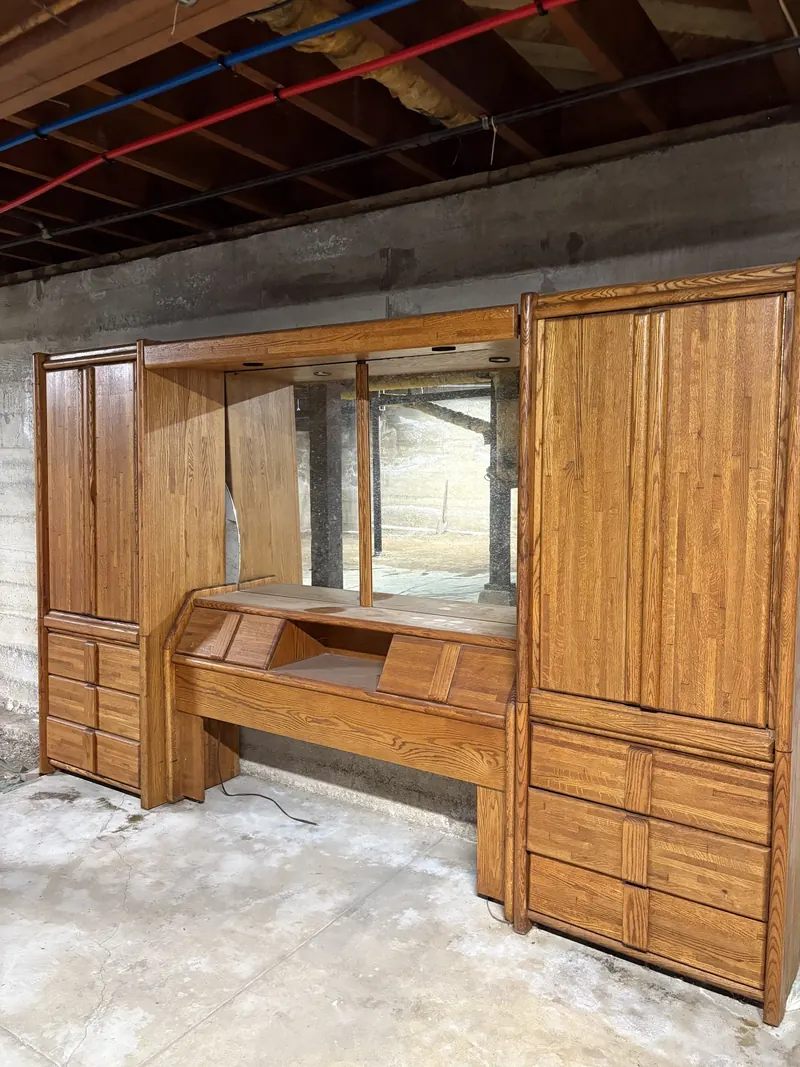 BEFORE
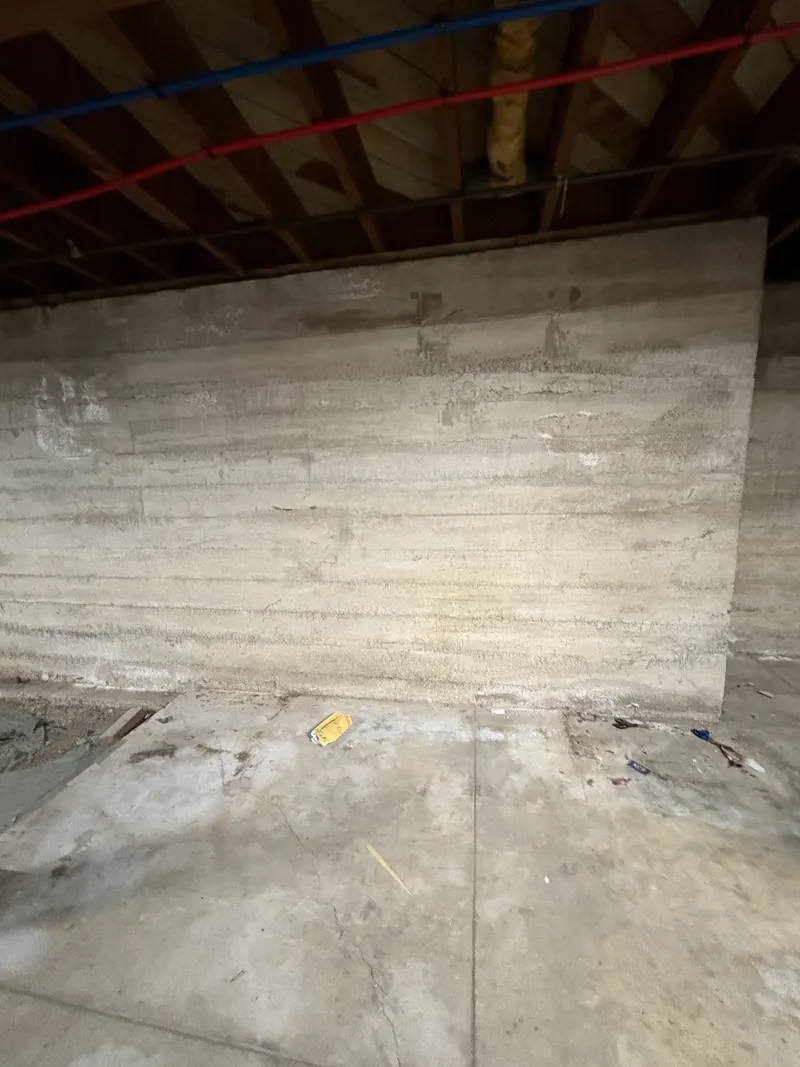 AFTER
Light Demolition in Gilroy: common questions
Is light demolition different from regular junk removal?
Yes. Junk removal is lifting items that are already loose. Light demolition means taking something apart first, such as a deck, a fence, or a cabinet run, and then hauling it. We do both. Unsure which one you need? A photo is enough for us to say how we would handle it.
Can you take out a wall in my house?
Only a non-structural partition wall, and only after we confirm what is inside it. A wall that carries roof or floor loads needs an engineer and a qualified contractor. Wiring, plumbing, and gas in a wall must also be handled by professionals. We will not guess; we ask for photos and decide together.
Do I need a permit for a deck or fence removal?
Rules vary with the project and the address, and they are not ours to set. Whether you live inside city limits or out on county land decides who to ask. Describe your exact job to them, save the reply, and if a permit is required, have it in hand before we show up.
What if you find asbestos or mold?
We stop work in that area and tell you. Suspected asbestos goes to an authorized testing lab and abatement contractor. Mold beyond a small surface spot needs remediation specialists. Neither is something we handle. We will help with the haul-away of ordinary debris once the specialists have finished.
Will you take the debris from a remodel my contractor is doing?
Often, yes, as a separate haul-away. Coordinate timing with your contractor so debris is staged where the truck can reach it. For ongoing remodel loads, our construction debris page explains the approach. We do not do the qualified building work, only the hauling and light tear-out.
Ready when you are, Gilroy.
Send a photo for a written quote. Nothing is booked until you say yes.
$25 off when you book online or mention the website.