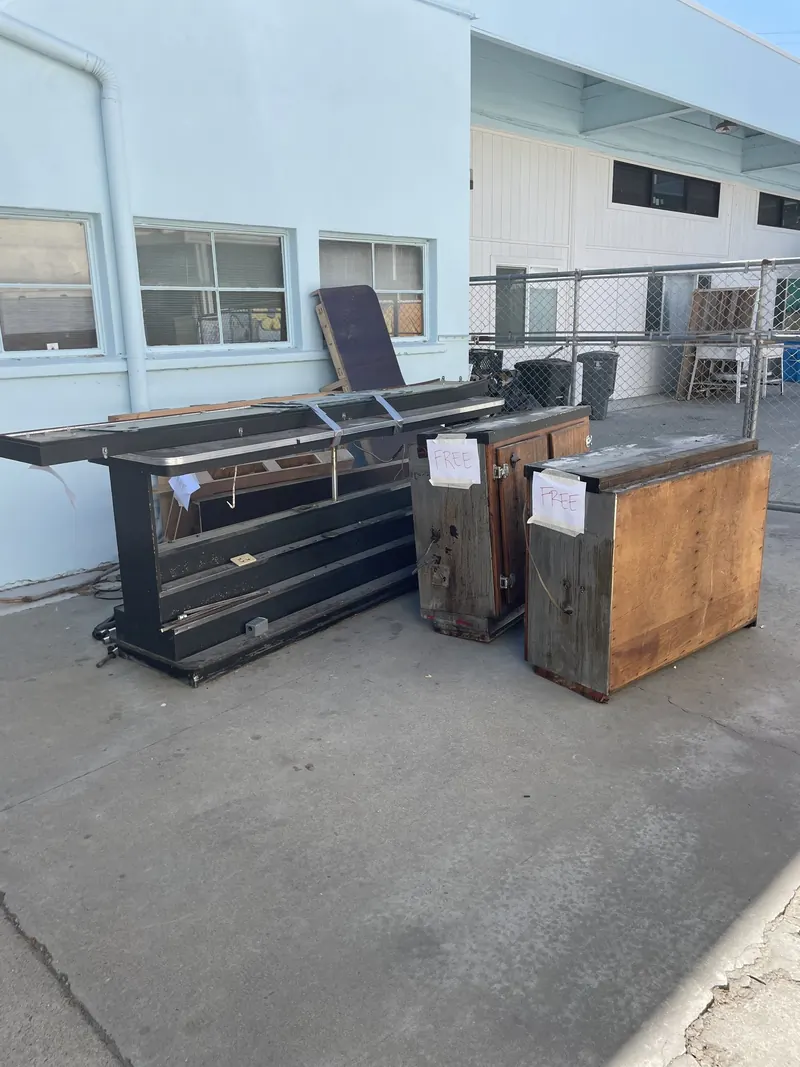
Everyone in town has seen it: a couch left by a storm drain, a heap of trash bags at the end of a quiet lane, a mattress propped on a fence. This guide is about what the City of Gilroy says to do when it happens, how to avoid being the one who creates the pile, and what a paid crew can and cannot do. It covers reporting inside city limits only, because that is what the city’s published pages address.
What the city says about dumping
The City of Gilroy’s October 30, 2023 notice, titled “Fight Dirty: Let’s Keep Gilroy Beautiful,” states that illegal dumping in the public right-of-way is always illegal. It tells residents who need to get rid of bulky items to call the city's trash service to schedule a pickup. In other words, the city’s position is simple: there is a scheduled way to put bulky items out, and a curb or sidewalk on a day nobody scheduled is not it.
The Love Gilroy page goes further and describes what the city does about it. It says the city is prioritizing staff efforts for cleanups and targeted blight removal, and that it partners with local businesses and organizations. It also says responses to reports are prioritized based on the details of the report and staff availability. That sentence is worth reading twice. It means a report is not a promise of a same-week cleanup, and a clear report gets a better place in line than a vague one.
How to report dumping inside Gilroy
For dumping within Gilroy city limits, the city points residents to the Report a Concern module on its website. A useful report is specific. Before you submit one, gather these:
- Exact location. A street address, nearest cross streets or a landmark. “By the creek” does not help a crew find it.
- What it is. Furniture, bags, construction scrap, tires, brush. Describe it from a distance. Do not open bags or move items.
- How big it is. A single mattress and a pickup-load of debris are different problems.
- Hazards. Say if you see broken glass, liquids, containers with labels or anything that smells. Do not touch those.
- A photo from the public side. Stay on the sidewalk or road. Photos with a street sign in the frame are the most useful.
Because the city’s page is about dumping inside city limits, a pile on rural land outside the limits is a different question. Our service area covers rural parcels toward the county line and San Martin, and a pile there may fall to a different agency. If you are not sure which side of the line you are on, the city or county can tell you from the address.
Is it on your own property?
Sometimes the pile is not on a public street. Someone has dropped a load on your lot, in your side yard or at the end of your driveway. The city’s reporting page speaks of dumping within city limits and does not set out a separate process for private land, so start with the Report a Concern form and ask. In the meantime, photograph it before anything moves, and do not sort through it. If it holds liquids, containers or anything that looks hazardous, leave it alone. Junk Gone does not haul hazardous waste, and the Santa Clara County Household Hazardous Waste Program takes chemicals and electronic waste by appointment (see hhw.org).
If it is plain junk such as furniture, brush or boxes, a crew can remove it once you decide it is yours to clear. Send photos to (408) 310-0246 and tell us where the pile sits, how far the truck is from it and whether a gate has to be opened. Our household trash page and junk removal page describe how a visit works.
How not to become the problem
Most dumping starts as a good intention. Someone moves out, the bed does not fit in the truck, and a friend says to leave it by the curb. The city’s own answer is the bulky item program. Residents get two bulk pickups a year, curbside, at no charge, scheduled through the city's trash service, and drop-off fees apply at the San Martin Transfer Station. Customers with cart service can use those pickups for furniture or appliances, and the city lists fees for items beyond the allowance. Our Gilroy dump guide gives the transfer station address, its Tuesday to Saturday hours and a link to the City page for reaching the city's trash service.
A few habits keep a pile from becoming a report:
- Schedule the pickup before the item is outside, not after.
- Do not set out items on a day the pickup is not booked.
- If you hire a hauler, ask where the load is going. A crew that will not answer is a red flag.
- Keep the receipt or the written quote.
We are happy to answer the where-does-it-go question. Reusable furniture can go to a donation site when it is clean and in good condition, and our donation guide lists where Gilroy households take it. Items that cannot be donated go to a transfer station or recycler.
If you want to help clean up
The Love Gilroy page invites volunteers: individuals, community groups and businesses. It says group cleanups are held quarterly on Saturday mornings and usually last two to three hours, and that individual cleanups have no minimum time requirement. It also describes an Adopt-A-Spot program with a minimum time requirement of four hours monthly and a one-year minimum commitment, and says sites must be approved by city staff.
If you are organizing a block or HOA cleanup, think about the afterward. A cleanup creates a pile, and a pile on a Saturday afternoon needs a place to go. For loads beyond what the carts and the free bulky pickups take, a hauling visit can clear it in one trip. We can pick up collected furniture and scrap that a group stacked in a driveway, and the crew does the loading.
What a paid crew can and cannot do
A crew can remove junk you own or are authorized to clear. A crew should not be hired to clear someone else’s illegally dumped items off public land. That is the city’s role, and the report is how you reach it. For a private-property pile, we can only act with the owner’s approval and after we have seen what is in it, which is why we always start with photos.
A short checklist
- Public street or sidewalk inside city limits: submit Report a Concern with a location and photos.
- Your lot: photograph, do not sort, report if unsure, text us a photo for a written quote on non-hazardous material.
- Your own junk: use a free bulky pickup if you have one, a transfer station run if you can load it, or a crew if you cannot.
- Hazardous items: leave them where they are and call the county program.
Sources: City of Gilroy, Love Gilroy: Help Keep Our Community Clean, City of Gilroy, Fight Dirty: Let’s Keep Gilroy Beautiful (October 30, 2023), City of Gilroy garbage and recycling page. Programs and response times can change; confirm with the city.